
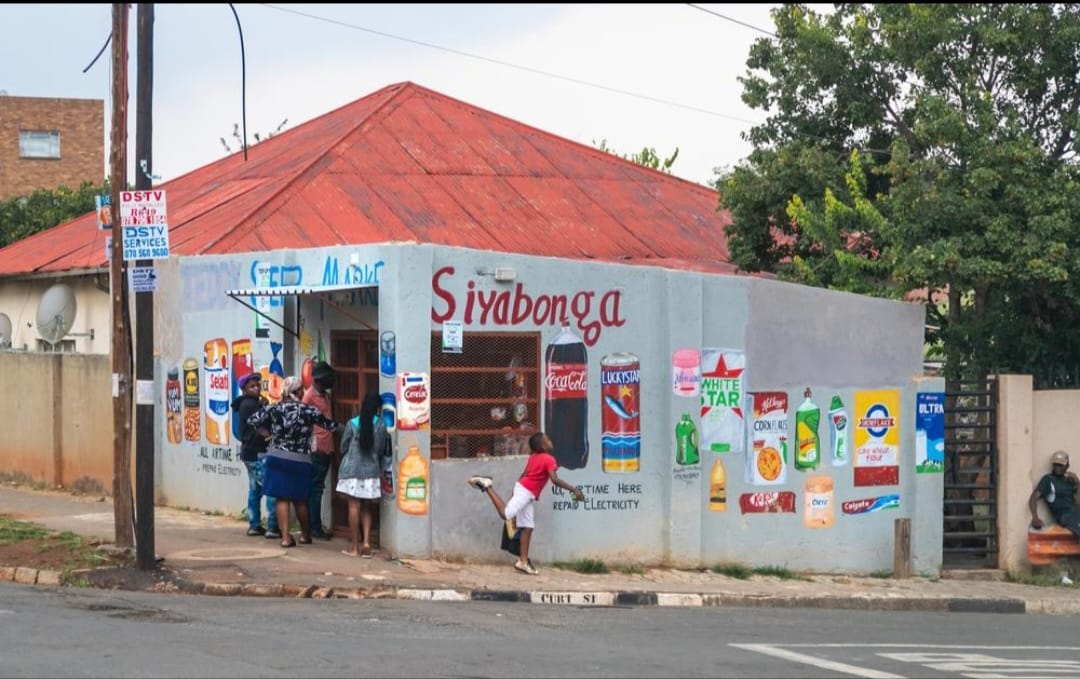
Running a business in the township comes with a hard truth:
It’s not about hard work. It’s about survival.
The Township Economy: Why Most Hustles Stay Small is not just a phrase, it’s a reality many entrepreneurs face every day.
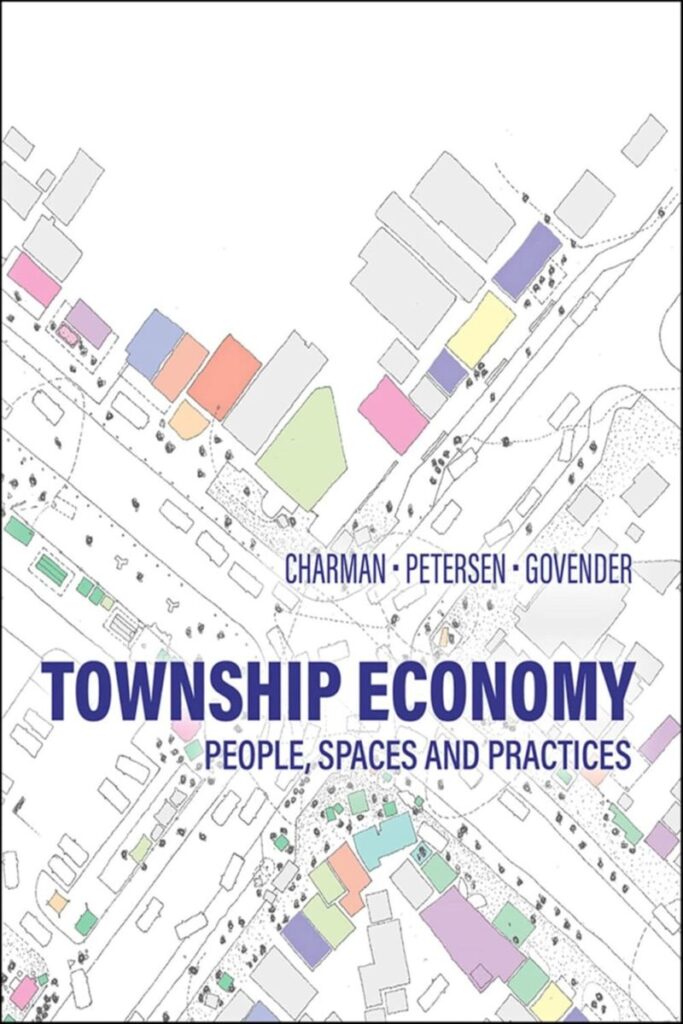
The book Township Economy: People, Spaces and Practices breaks this down in a way most people don’t talk about. It’s not motivational. It’s real.
It shows how township businesses actually operate, not in theory, but in the streets.
Most hustles don’t fail because of lack of effort, they fail because there is no system behind them.
This book is based on nearly a decade of research (starting from 2010), focusing on:
Micro businesses (spaza shops, kota stands, street vendors)
Real survival strategies used by entrepreneurs
How informal economies shape township life
It explains:
Why so many businesses look the same
Why competition becomes a price war
Why growth feels impossible
Some of the links on this website may be affiliate links. Learn more
The Survivalist Trap
Most township businesses are not designed to grow.
They are designed to survive, you earn enough to eat, but never enough to build.
That’s the trap.
Most people think the problem is effort.
Wake up early.
Work longer hours.
Sell more.
But the reality in the township economy is different, you’re not just running a business, you’re operating inside a system that keeps resetting your progress.
This is the survival trap.
How the Trap Actually Works
You start a hustle.
You sell something that already works (food, airtime, groceries)
You price slightly lower to attract customers
You make daily cash
At first, it feels like progress.
Then reality kicks in:
Someone opens the same business next to you
Prices drop again
Profit margins shrink
You work more… but earn the same (or less)
Now you’re stuck.
The Real Cost of the Survival Trap
It’s not just about money. It’s about being unable to move forward.
No savings to expand. No capital to improve
No systems to scale. No time to think strategically, You are busy every day…
But going nowhere.
That’s the trap.
Why Most People Never Escape It
The system rewards immediate survival, not long-term growth.
Fast-selling products win (even if margins are low). Copying feels safer than innovating. Daily income feels better than delayed growth.
So people stay in cycles like:
Sell → Spend → Restart
Sell → Spend → Restart
No structure.
No leverage.
No growth.
Breaking Out of the Trap
Escaping doesn’t mean working harder, It means thinking differently.
Start asking:
What can I offer that’s harder to copy?
How do I move from daily cash to repeat systems?
Can I bundle, specialize, or reposition?
How do I build something that runs even when I’m not there?
Even small changes matter:
Turning customers into repeat clients, Tracking sales instead of guessing
Adding services instead of only products, Using digital tools (like Rekify) to expand reach. That’s how you shift from survival → strategy.
Conclusion: From Hustle to System
The township economy is powerful, It feeds millions, It moves money daily, It creates opportunity where formal systems have failed, but it also has limits, If you don’t see those limits…you end up trapped inside them.
The goal is not to stop hustling. The goal is to build on top of your hustle.
Turn it into:
A system.
A structure.
A scalable business.
The difference between staying small and growing big is simple:
Hustle makes money. Systems build wealth.
View all articles in the kasi Economy category
You must be logged in to post a comment.